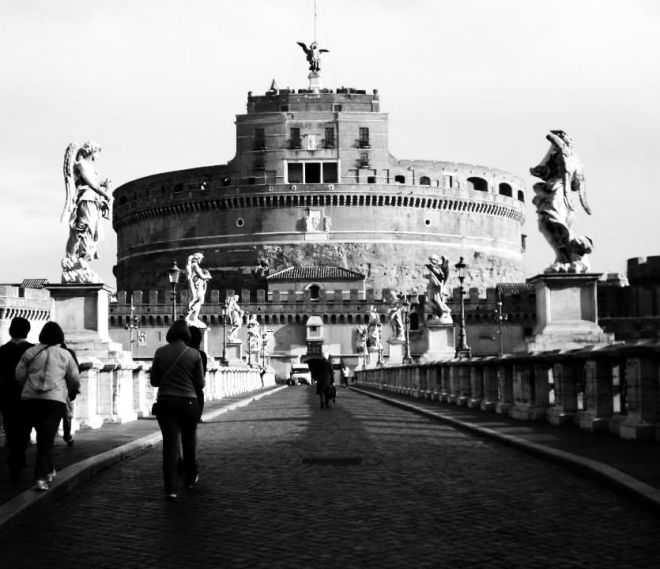
Crowds – Seneca

Synopsis:

In letter #7, Seneca grapples with the nature of crowds. He catechizes the influence crowds have on the human soul, and traces the remedies for its negative effects.

Excerpts:

“Contact with the crowd is deleterious; inevitably vice will be made attractive or imprinted on us or smeared upon us without our being aware of it. In every case, the larger the crowd with which we mingle the greater the danger.

“A single example of luxury or avarice works great mischief. A comrade who is squeamish gradually enervates us and makes us soft; a neighbor who is rich pricks up our covetousness; a companion who is malicious rubs some of his rust off upon us, however frank and ingenuous we may be.

“Retire into yourself, so far as you can. Associate with people who may improve you, admit people whom you can improve. The process is mutual; men learn as they teach.

“There is no reason why ambition to advertise your talents should lure you to the public platform to give popular readings or discourses. I should agree to your doing so if your wares suited such customers, but none of them can understand you. A solitary individual or two may come your way, but even him you will have to educate and train to understand you. ‘Then why did I learn all this?’ Never fear that you have wasted your effort; you learned for yourself.

“When asked the object of applying himself so assiduously to an art which would reach so very few people, he said: ‘For me a few are enough, one is enough, none is enough.

*All excerpts have been taken from The Stoic Philosophy of Seneca: Essays and Letters, W.W. Norton.
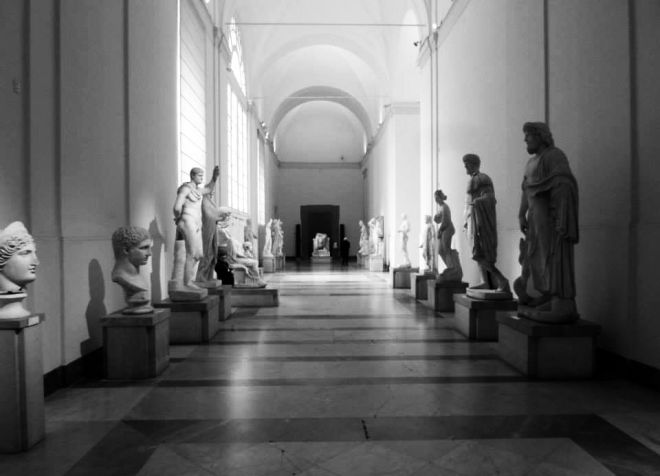
Philosophy and Progress – Seneca

Synopsis:

In letter #90, Seneca examines the purpose of philosophy in life. He fuses his own Stoic philosophy with ideas on the art-of-living, the development of government, and the pursuit of wisdom.

Excerpts:

“If they had made philosophic knowledge also a common attribute and we were all born wise, then wisdom would have forfeited its principal quality, which is that it is not fortuitous.

“The natural measure which limited desires by essential requirements has retreated; to desire a mere sufficiency is now a mark of boorishness and wretchedness.

“Wisdom turns to the incorporeal and scrutinizes truth and its manifestations and determines the modes for distinguishing ambiguities in life or speech, for in both the false is mingled with the true.

“Virtue is not Nature’s gift; to become good is an art.

“Virtue can occur only in a soul trained and taught and raised to its height by assiduous exercise.

*All excerpts have been taken from The Stoic Philosophy of Seneca: Essays and Letters, W.W. Norton.

Philosophy and Progress – Seneca

N

Synopsis:

In letter #90, Seneca examines the purpose of philosophy in life. He fuses his own Stoic philosophy with ideas on the art-of-living, the development of government, and the pursuit of wisdom.

Excerpts:

“If they had made philosophic knowledge also a common attribute and we were all born wise, then wisdom would have forfeited its principal quality, which is that it is not fortuitous.

“The natural measure which limited desires by essential requirements has retreated; to desire a mere sufficiency is now a mark of boorishness and wretchedness.

“Wisdom turns to the incorporeal and scrutinizes truth and its manifestations and determines the modes for distinguishing ambiguities in life or speech, for in both the false is mingled with the true.

“Virtue is not Nature’s gift; to become good is an art.

“Virtue can occur only in a soul trained and taught and raised to its height by assiduous exercise.

*All excerpts have been taken from The Stoic Philosophy of Seneca: Essays and Letters, W.W. Norton.