
Synopsis:
Plutarch’s biography of Julius Caesar examines the moral, and intellectual dimensions of Caesar’s character. Context is a pronounced component of Plutarch’s analysis – which utilizes the underlying Roman political culture of the era as a bedrock feature of the narrative. Further, Plutarch uses biographical anecdotes to advance an image of Caesar as a world historical individual.
Excerpts:
“Sulla, without openly objecting, took measures to see that he was not elected and discussed the question of whether or not to have him put to death. When some of his advisers said that there was no point in killing a boy like him, Sulla replied that they must be lacking in intelligence if they did not see that in this boy there were many Mariuses.
“Cicero, who is thought to have been the first to have seen beneath the surface of Caesar’s political program and to have feared it as one might fear the smiling surface of the sea, and who understood how powerful a character was hidden behind Caesar’s agreeable, good-humored manners, said that, in general, he could detect in everything that Caesar planned or undertook in politics a purpose that was aiming at absolute power.
“For the cause of the civil wars was not, as most people think, the quarrel between Caesar and Pompey; it was rather their friendship, since in the first place they worked together to destroy the power of the aristocracy and only when this had been accomplished quarreled amongst themselves.
“For when Pompey, for some reason or other (possibly over caution), instead of putting the finishing stroke to his great success, retired as soon as he had driven the routed enemy inside their camp, Caesar, who was with his friends, remarked to them as he was leaving them: ‘Today the enemy would have won , if they had a commander who was a winner.’
“Brutus fancied that he heard a noise at the entrance to the tent and, looking towards the light of the lamp which was almost out, he saw a terrible figure, like a man, though unnaturally large and with a very severe expression. He was frightened at first, but, finding that this apparition just stood silently by his bed without doing or saying anything, he said: ‘Who are you?’ Then the phantom replied: ‘Brutus, I am your evil genius. You shall see me at Philippi.
*All excerpts have been taken from Fall of the Roman Republic, Penguin Books.
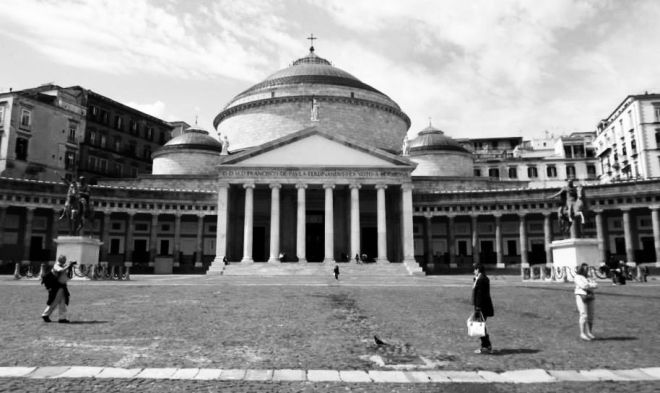

 Consolation of Antiquity
You must be logged in to post a comment.